Get Commercial Roof Installation
Commercial roof installation services help property owners replace or install roofs on large buildings, addressing leaks, damage, and project needs with experienced local contractors.
Property owners exploring commercial roof installation services often have practical considerations in mind, such as protecting assets, ensuring building longevity, or preparing for future expansion. This process involves careful planning and comparison of options among local contractors who specialize in commercial roofing. By reviewing available service providers, property managers and business owners can find solutions that align with their specific needs and project requirements.
Navigating the landscape of local contractors can help ensure the right expertise and quality for a commercial roof installation. Keeping informed about the options available in the area allows property owners to make well-informed decisions and select service providers equipped to handle the scope of their project. Continued research and comparison can lead to finding the best fit for the property's unique demands.
- New Commercial Roof Installation - needed when constructing a new building or expanding an existing facility.
- Roof Replacement - required when an existing commercial roof has reached the end of its lifespan or sustained significant damage.
- Roof Retrofit - suitable for upgrading or modifying an existing roof to improve performance or accommodate new systems.
- Emergency Roof Repairs - necessary after severe weather events or unexpected damage to protect the building’s interior.
- Roof Coating Applications - used to extend the life of a commercial roof and improve its resistance to weathering.
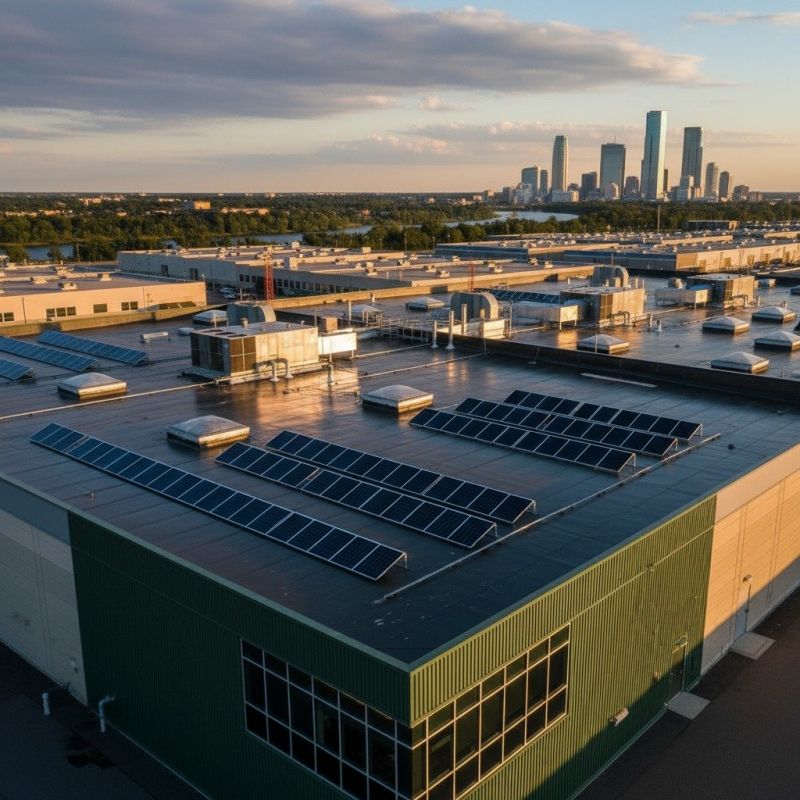
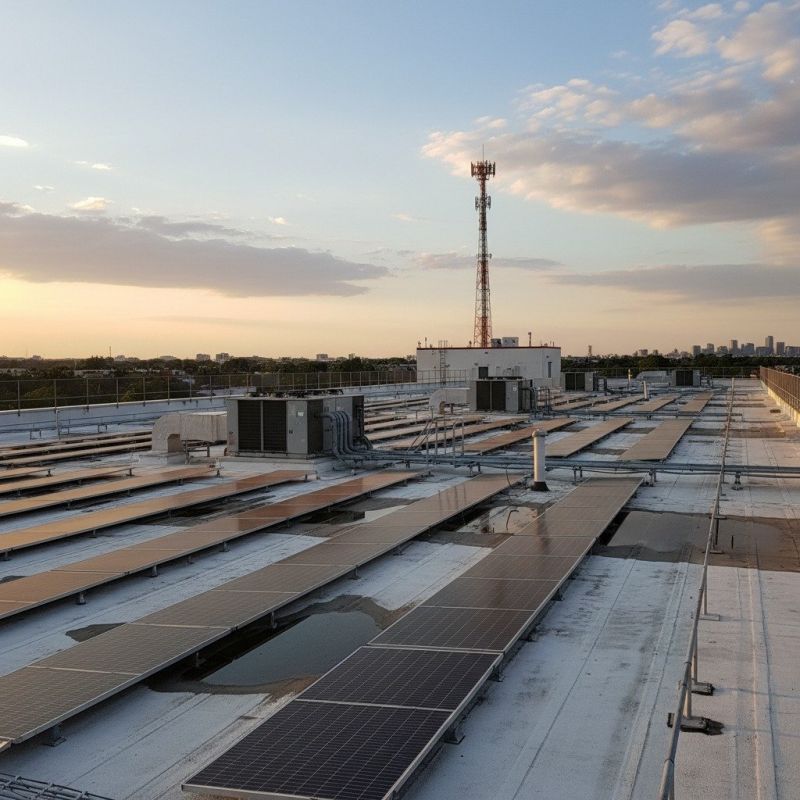
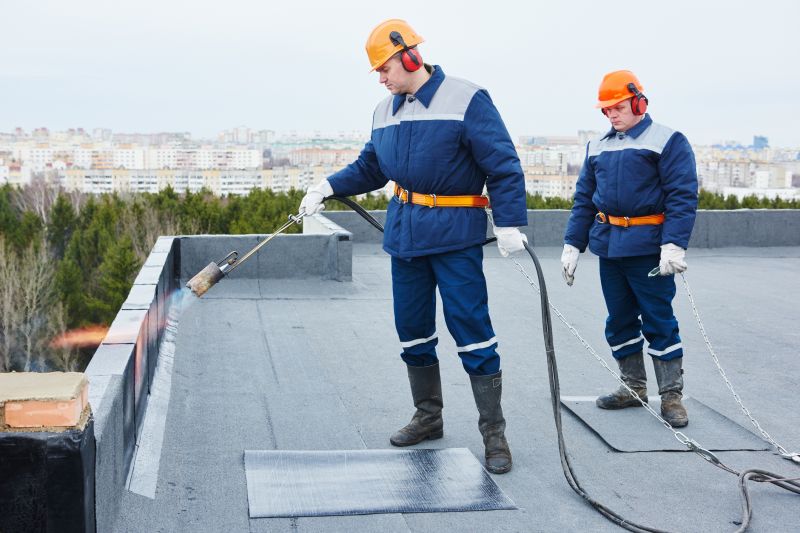
Commercial roof installation services involve the process of designing, selecting, and installing new roofing systems on commercial properties. This service typically includes assessing the building’s structure, choosing appropriate roofing materials, and ensuring the installation meets safety and durability standards. Experienced contractors handle everything from removing old roofing materials to installing the new roof, making sure the process is efficient and compliant with local building codes. Proper installation is essential to ensure the roof provides long-lasting protection and performance for the property.
These services help address common problems such as leaks, extensive damage, or aging roofs that no longer provide adequate protection. A poorly maintained or damaged roof can lead to issues like water intrusion, mold growth, or structural deterioration, which can be costly to repair. Commercial roof installation is a solution for property owners facing frequent repairs or those who need a reliable, long-term roofing system. It is also a proactive step to prevent future problems caused by weather exposure, aging materials, or improper previous installations.
Types of properties that typically utilize commercial roof installation services include office buildings, retail stores, warehouses, industrial facilities, and other large-scale commercial spaces. These properties often have flat or low-slope roofs, which require specialized installation techniques and materials. Business owners or property managers may seek professional installation when constructing new facilities or upgrading existing roofs to improve energy efficiency, comply with building codes, or enhance the building’s overall safety and appearance.
Homeowners rarely need commercial roof installation services, as these are primarily designed for larger, commercial-scale properties. However, property managers or business owners should consider this service when their current roof has reached the end of its lifespan, shows signs of significant damage, or when a new building project is underway. Connecting with local contractors through a lead generation platform can help property owners compare options, find experienced professionals, and ensure the installation is handled correctly to protect their investment.
The overview below groups typical Commercial Roof Installation projects into broad ranges so you can see how smaller, mid-sized, and larger jobs often compare in your area.
In many markets, a large share of routine jobs stays in the lower and middle ranges, while only a smaller percentage of projects moves into the highest bands when the work is more complex or site conditions are harder than average.
Smaller Repairs - Many routine roof repairs for minor leaks or damaged flashing typically cost between $250 and $600. These projects are often straightforward and fall within the lower to mid-range of typical costs. Fewer repairs push into higher price tiers, especially if additional work is needed.
Medium-Sized Projects - Replacing sections of a commercial roof or fixing extensive damage usually ranges from $1,500 to $3,500. Most projects in this category are common, with costs reflecting moderate scope and complexity. Larger or more complex repairs can exceed this range.
Full Roof Replacement - Complete roof replacements generally fall between $7,000 and $15,000 for standard-sized commercial buildings. Many projects are within this range, but larger or more intricate installations can reach $20,000 or more depending on materials and building size.
Larger, Complex Installations - Extensive or high-end roofing projects for large commercial properties can cost $20,000 to $50,000+ or higher. These are less common and involve significant scope, specialized materials, or complex building designs that influence overall costs.
Actual totals will depend on details like access to the work area, the scope of the project, and the materials selected, so use these as general starting points rather than exact figures.
Industrial Roofing Projects - these projects involve large-scale roofing systems that require similar planning, materials, and installation techniques as commercial roof installations.
Flat Roof Replacement - replacing flat roofs on commercial or industrial buildings shares skills in waterproofing, membrane installation, and structural assessment.
Building Envelope Repairs - repairing or upgrading the exterior enclosure of buildings involves expertise in roofing, waterproofing, and weatherproofing similar to commercial roofing.
Municipal Roof Renovations - public sector projects often demand extensive planning and durable roofing solutions akin to commercial roof installation services.
Warehouse Roof Upgrades - upgrading large warehouse roofs involves handling substantial surfaces with similar tools and planning as commercial roofing projects.
Retail Store Roof Installations - installing or replacing roofs on retail outlets requires precise planning and materials management comparable to commercial roofing work.
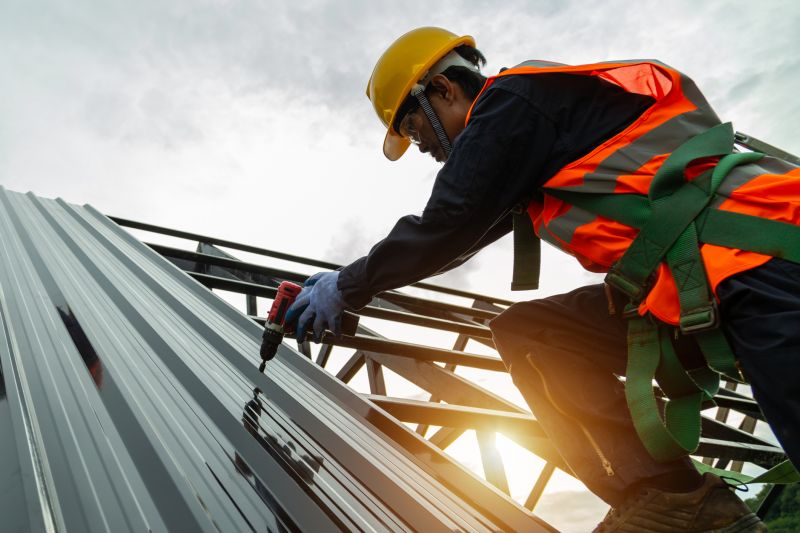
When comparing service providers for commercial roof installation, it’s important to focus on their experience with similar projects. A contractor’s background in handling commercial roofs comparable in size, style, or material can provide valuable insight into their expertise and ability to manage the specific demands of the job. Homeowners should inquire about the types of commercial roofing projects the contractor has completed, as well as their familiarity with the particular challenges that may arise during installation. This helps ensure that the selected local contractor has the relevant experience to deliver a quality result.
Clear, written expectations are essential when evaluating potential service providers. A reputable contractor should be able to provide a detailed scope of work, including the materials to be used, project milestones, and the responsibilities of each party. Having this information documented helps prevent misunderstandings and sets a transparent foundation for the project. Homeowners are encouraged to review these written expectations carefully and ensure they align with their project goals before moving forward.
Reputable references and effective communication are key indicators of a dependable local contractor. Asking for references from previous clients can offer insights into the contractor’s work ethic, reliability, and the quality of their completed projects. Good communication throughout the process-such as timely responses to questions and clarity about procedures-also reflects professionalism and a commitment to customer service. While the site introduces homeowners to local options, the decision ultimately rests on selecting service providers who demonstrate experience, transparency, and clear communication to help ensure a successful commercial roof installation.
Property owners use Commercial Roof Installation services for practical projects around their homes and businesses. This guide focuses on everyday jobs and straightforward project options.
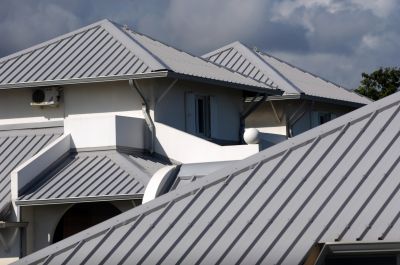
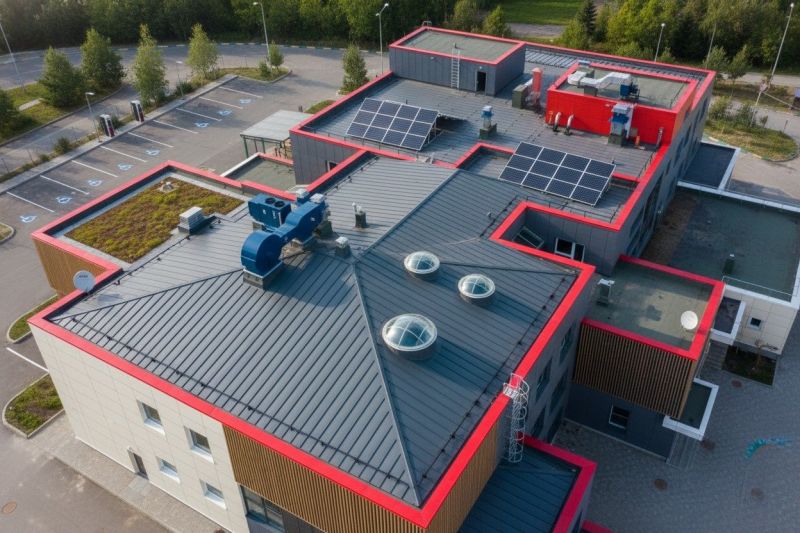
Commercial roof installation is often needed when property owners notice signs of aging, such as leaks, sagging, or visible damage, which can compromise the integrity of the building. Businesses and property managers might also seek new roofing solutions when expanding or renovating their facilities, ensuring the structure can support new equipment or additional floors. Local contractors are experienced in handling a variety of roofing systems and can provide guidance on the best options to meet specific needs, whether for a complete replacement or a new installation.
Property owners in the area may look for commercial roof installation services after experiencing storm damage or severe weather that causes roof deterioration. Additionally, older buildings may require upgrades to meet current standards or improve energy efficiency. Local service providers can assist with these projects, offering professional installation that aims to protect the property and maintain its value over time.
What types of commercial roofing materials do local contractors install? Local service providers typically install a variety of materials including built-up roofs, single-ply membranes, metal roofing, and modified bitumen to suit different commercial needs.
How do contractors ensure proper installation of a commercial roof? Contractors follow industry best practices and manufacturer guidelines to ensure the roofing system is installed correctly and performs as intended.
What factors should be considered when choosing a commercial roofing system? Key factors include the building's structure, usage, climate conditions, and durability requirements, which local contractors can help evaluate.
Are there different installation methods for flat and sloped commercial roofs? Yes, flat roofs often use membrane systems like TPO or EPDM, while sloped roofs may utilize metal or asphalt shingles, with installation methods adapted accordingly.
What maintenance is recommended after a commercial roof installation? Regular inspections, cleaning of gutters, and prompt repairs of any damage are advised to prolong the roof’s lifespan, with local contractors providing guidance on upkeep.
Commercial Roof Replacement - Replace an aging or damaged roof to improve building safety and functionality for ongoing operations.
Roof Inspection & Assessment - Schedule inspections to identify potential issues before they develop into costly repairs or disruptions.
Roof Maintenance Planning - Develop a maintenance plan to extend the lifespan of a commercial roof and prevent unexpected problems.
Emergency Roof Repairs - Address urgent issues such as leaks or storm damage promptly with the help of experienced service providers.
If you are thinking about Commercial Roof Installation for a property, this guide is meant to help you understand the work, the typical project types, and how different options might fit your plans.
When you are ready, you can use the quote form on this page to share a few details about your project. From there, local pros can review the basics and respond with options that match what you have in mind.